
A KOL agency in Malaysia that also ships the order
Most influencer agencies introduce you to creators they do not employ, then hand back a report. We keep the creators, the shop and the warehouse under one roof.
What does a KOL agency in Malaysia actually do?
The usual model is brokerage. An agency holds relationships with creators, matches them to your brief, books the posts and reports on reach and engagement. That works when the goal is awareness. It breaks the moment the goal is sales, because the agency has no control over the listing the traffic lands on, the price, the stock level or the delivery time.
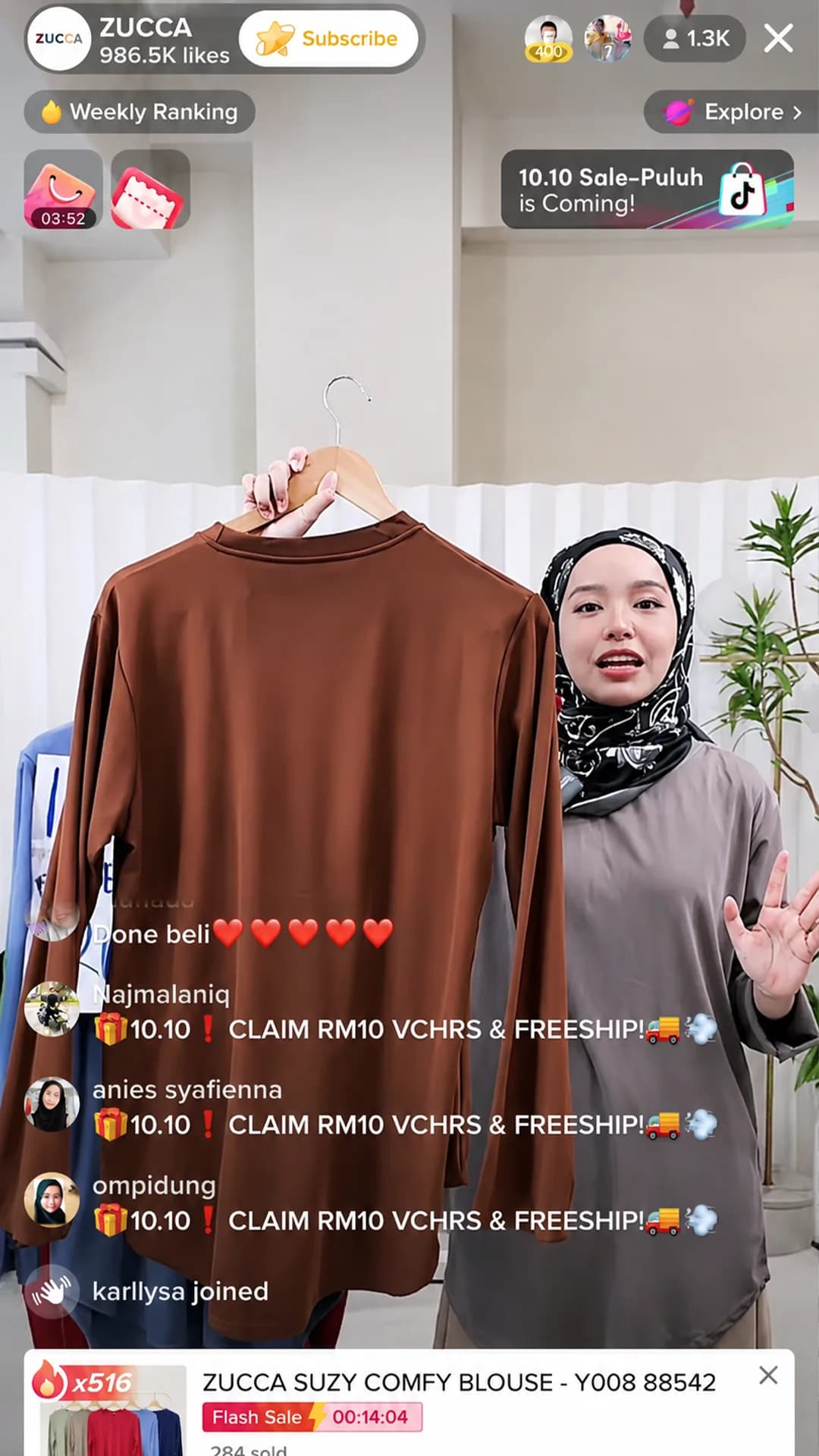
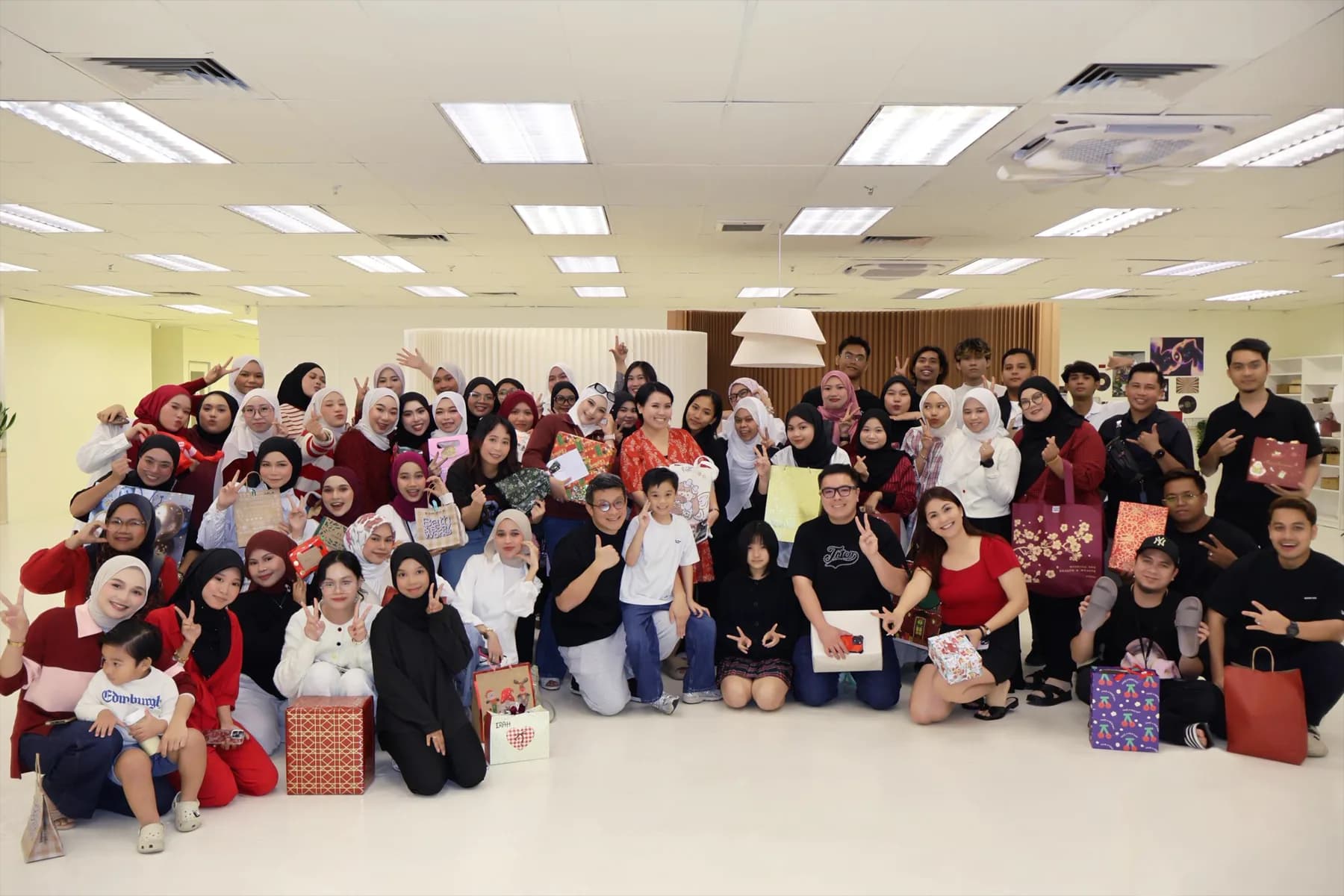
We run influencer marketing as a commerce function instead. 50+ hosts and creators work with us directly. 3000+ affiliates carry partner products to their own audiences on commission. Behind them sits the storefront we manage and a 100,000 sq. ft. facility we operate, moving 10,000+ orders a day. When a creator video starts converting, the same team restocks the variant and pushes it to the affiliate network.
As a TikTok Shop Partner and Multi-Channel Network we are measured on what the campaign sold, not what it reached. That is a harder number to hide behind, which is the point.
Owned talent, not a contact list
A brokered creator is booked for a campaign and gone afterwards. An in-house host learns your catalogue, your price points and your objections, and gets better at selling your product every session.
An affiliate network, not a one-off post
A single creator post has one spike and a long tail of nothing. 3000+ affiliates working on commission give a product repeated exposure with no upfront media cost, provided the margin supports it. We will tell you when it does not.
How does a campaign run?
/ four stepsBrief and fit
We start from the product and the margin, not from a creator list. That decides whether this should be paid posts, affiliate commission, livestreaming, or a mix.
Casting
Creators are picked on category performance rather than follower count. We already know who converts in fashion, baby, FMCG and health and beauty.
Production
Scripts, shoots and edits run in house. Where a stream is involved, the host rehearses on the actual product rather than reading a brief on the day.
Sell and restock
What performs gets pushed to the affiliate network the same week, and the warehouse restocks against it. The campaign and the supply chain move together.
Which categories does this work best in?
Fashion, baby products, FMCG, and health and beauty. Those are the four we already run supply chains in, which means we know the return rates, the sizing complaints and the price points that stall a stream. Creator marketing in a category you have never shipped is guesswork dressed up as strategy.
If your product sits outside those four we will say so at the first conversation. Some brands are better served by the full TikTok Shop service, where livestreaming and store operations carry more of the work than creators do.
How is this priced?
It depends on which of the three models the product suits. Paid creator posts are booked per campaign, so the cost is known before anything runs and the risk sits with you. Affiliate distribution is commission only, so there is no upfront media cost, but it needs enough margin in the product to pay the creator and still leave you a business. Livestreaming sits between the two and usually works best on a commission model, because that puts our incentive on your sales rather than on hours booked.
The honest version is that not every product supports every model. A low-margin FMCG line will struggle to fund affiliate commission at a rate creators will accept. A considered purchase with a long decision window will underperform on a livestream no matter who hosts it. We would rather say that in the first conversation than three months into a retainer.
Tell us the product, the margin and what you have already tried. We will come back with which model fits, and what it would take to run it, usually within one business day.
Common questions
/ faqMost match brands to creators and report on the campaign. We run the creators and the commerce together. We keep 50+ hosts and creators in house, work with 3000+ affiliates, and operate the storefront and warehouse the campaign sells into, so a creator post that works turns into stock that ships rather than a screenshot in a deck.
Both, and the difference matters. 50+ hosts and creators work with us directly, which is who we use when a campaign needs consistency, product knowledge or a fast turnaround. Beyond that, 3000+ affiliates can carry a product to their own audiences on commission. One is casting, the other is distribution.
By category performance, not follower count. We run across fashion, baby products, FMCG and health and beauty, so we already know which creators convert in each and at what price point. A creator with a smaller audience who has sold your category before is usually worth more than a larger one who has not.
Whichever fits the product. Paid posts buy reach on a schedule. Affiliate commission scales with no upfront media cost but needs margin to work. Livestreaming moves the most stock per hour and needs stock ready behind it. Most brands end up running two of the three, and we will tell you which two.
On sales, not impressions. Because we run the shop as well as the creators, we can attribute to orders rather than stopping at views and engagement. Where we do not run the shop, we agree the tracking before the campaign starts rather than after.
Yes. Creator campaigns work as a standalone service on a shop your own team runs. You get less attribution detail that way, because we can see what the creator drove but not what happened to the listing afterwards, and we will say so upfront rather than at the reporting stage.